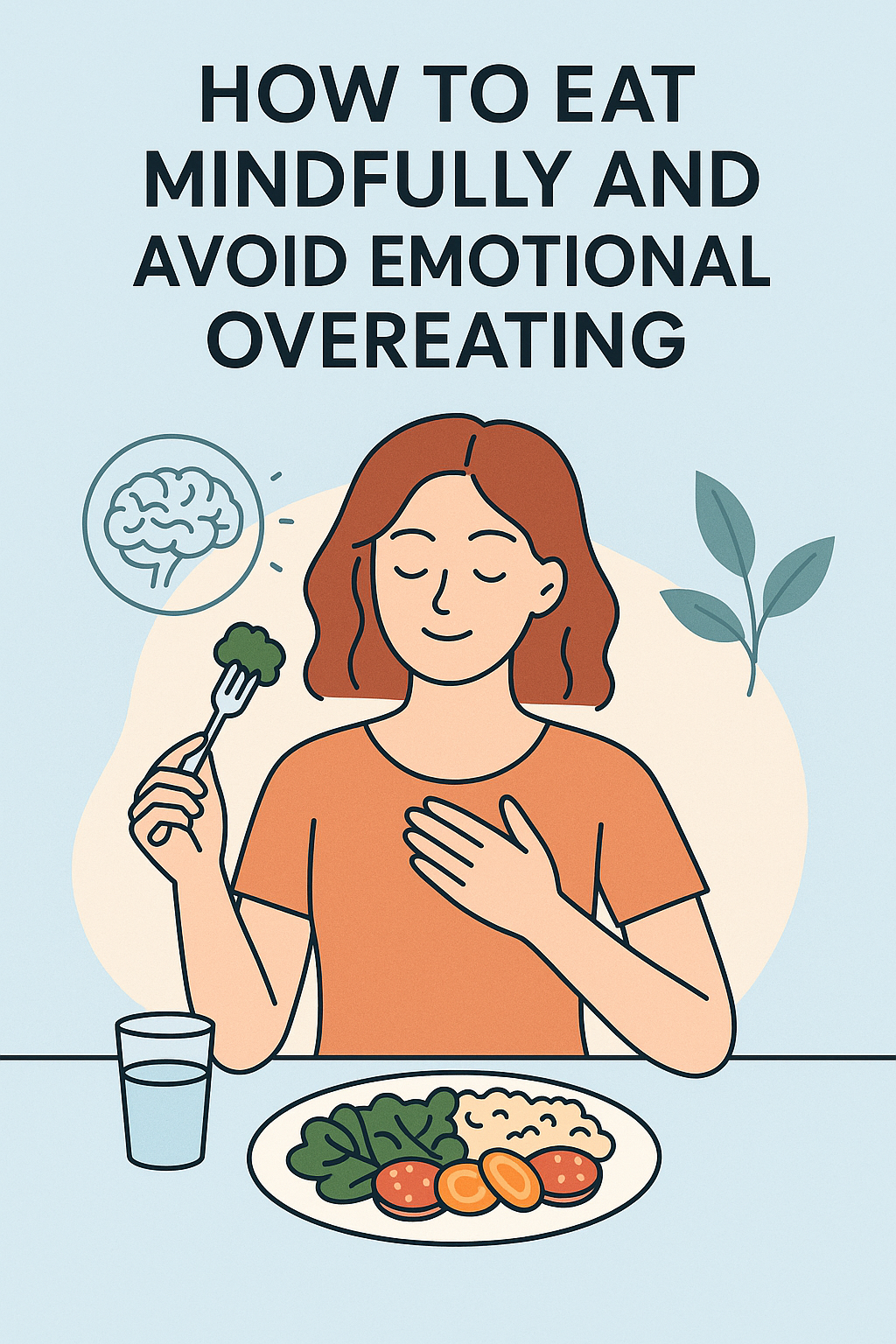
How to Eat Mindfully and Avoid Emotional Overeating
Eating mindfully isn't just about what you eat but how you approach eating. In today’s fast-paced world, emotional overeating is a common struggle. With stress, busy schedules, and easy access to comfort foods, it’s easy to slip into unhealthy eating habits. But the good news is that by practicing mindful eating, you can regain control over your relationship with food, promote better mental health, and even improve your fitness. Let's dive into the art of eating mindfully, exploring wellness trends, healthy eating plans, and self-care strategies that can transform your eating habits.
Understanding Emotional Overeating: Why It Happens
Before we tackle the solution, let's first understand the problem. Emotional overeating is when food becomes a coping mechanism for stress, anxiety, boredom, or even happiness. It’s when food is used as a source of comfort rather than nourishment, and it's a trap many fall into without realizing it.
The reasons behind emotional eating can vary. It could stem from childhood experiences, stress from work or personal life, or even societal pressure. But the good news is that you’re not alone, and it’s possible to break the cycle with a few simple strategies.
Mindfulness and Its Role in Eating
Mindfulness is the practice of being present in the moment without judgment. When applied to eating, it means slowing down, paying attention to the flavors, textures, and sensations of your food, and being aware of your hunger and fullness cues. By eating mindfully, you can better tune into your body's signals and avoid eating out of emotion.
Mindful Eating: A Beginner's Guide
If you're new to mindfulness, don’t worry. Here’s a simple guide to get you started:
- Focus on your food: Put away distractions like your phone, TV, or laptop. Sit down, take a deep breath, and appreciate the meal in front of you.
- Chew slowly: Take your time to chew and savor each bite. The slower you eat, the more your brain will register that you’re full, helping you avoid overeating.
- Pay attention to hunger cues: Learn to distinguish between actual hunger and emotional hunger. Ask yourself: Am I eating because I’m hungry or because I’m stressed?
Simple Meditation Practices for Mindful Eating
Mindfulness can be combined with meditation for an even deeper connection to your body and food. Try these simple practices before you eat:
- Deep Breathing: Take a few deep breaths before eating to center yourself.
- Body Scan: Do a quick body scan to notice where you might be holding tension and release it before you start eating.
Incorporating Fitness Routines into Your Mindful Eating Journey
Mindful eating isn’t just about the food; it’s about how your entire lifestyle supports your health and well-being. Fitness routines play a big part in this. Exercise can help reduce stress and boost your mood, making it less likely that you’ll turn to food for comfort.
How to Create a Personalized Fitness Plan
Creating a personalized fitness plan can be a game-changer in supporting mindful eating. Here’s how to get started:
- Start with your goals: Do you want to lose weight, build strength, or improve flexibility? Your fitness plan should reflect your personal goals.
- Choose activities you enjoy: Exercise shouldn’t feel like a chore. Whether it's yoga, running, or swimming, find something that makes you excited to move.
- Consistency is key: Even 15–30 minutes of exercise a day can make a significant difference in your physical and mental health.
Affordable Fitness Routines for Busy Professionals
If you’re a busy professional, you might think there’s no time for fitness. But you can still get moving with affordable fitness routines that don’t require a gym membership. Consider home workouts, bodyweight exercises, or even quick walks during lunch breaks. The key is consistency!
Healthy Eating Plans: Fueling Your Mind and Body
Mindful eating goes hand in hand with healthy eating plans. By choosing nutritious foods, you can nourish your body and mind, making it easier to resist emotional overeating.
Top Diet Trends for Weight Loss in 2025
With the rise of wellness trends in 2025, there are several diet plans that focus on sustainability and balance rather than restriction. Here are some to consider:
- Plant-based diets: More people are adopting plant-based diets for their health benefits and environmental impact.
- Intermittent fasting: This eating pattern can help regulate your hunger hormones and reduce overeating.
- Mindful eating diets: These focus on being present and aware while eating, helping prevent overeating.
Top 10 Diet Tips to Maintain a Healthy Lifestyle
To maintain a healthy lifestyle, here are some simple tips:
- Eat balanced meals with plenty of vegetables, protein, and whole grains.
- Drink water before meals to help with satiety.
- Avoid eating while distracted.
- Practice portion control by using smaller plates.
- Listen to your body’s hunger cues.
- Choose whole, unprocessed foods as much as possible.
- Eat at regular intervals to keep blood sugar levels stable.
- Limit sugary snacks and processed foods.
- Don’t skip meals, especially breakfast.
- Cook at home to control ingredients and portion sizes.
The Connection Between Sleep and Mental Health
When it comes to eating mindfully and avoiding emotional overeating, sleep plays a crucial role. Poor sleep can lead to cravings, emotional instability, and a higher likelihood of turning to food for comfort. Prioritize sleep as part of your wellness routine.
The Role of Sleep in Mental Health
Quality sleep has a direct impact on your mental well-being. It helps regulate mood, improves cognitive function, and reduces stress levels. Inadequate sleep can lead to hormonal imbalances that may trigger emotional overeating. Aim for 7–9 hours of sleep each night for optimal mental health and mindful eating.
Self-Care Strategies for Overcoming Emotional Overeating
Mindfulness and healthy eating are powerful tools, but so are self-care strategies. Taking care of your mental and emotional health is just as important as your physical health. Here are a few self-care strategies:
- Practice gratitude: Reflect on what you’re thankful for each day.
- Take time for hobbies: Engage in activities that make you feel fulfilled and relaxed.
- Connect with others: Build a support system to talk about emotions and challenges.
- Try simple meditation practices: Meditation can help calm the mind and reduce stress, which often triggers emotional overeating.
Conclusion: Achieving Mindful Eating and Wellness
Achieving mindful eating and avoiding emotional overeating requires a combination of awareness, self-care, fitness routines, and healthy eating habits. By incorporating these strategies into your life, you can break free from emotional eating, nurture your mental health, and embrace a more balanced lifestyle. It’s not about perfection—it’s about progress and being kind to yourself along the way. Remember, every small step counts!
FAQs
1. What is mindful eating?
Mindful eating is the practice of paying full attention to your food, savoring each bite, and being aware of your body’s hunger and fullness cues without distractions.
2. How can I stop emotional overeating?
To stop emotional overeating, focus on identifying the emotions behind your cravings, practice mindfulness, and develop healthier coping mechanisms like exercise or meditation.
3. What are some beginner’s mindfulness practices for eating?
Start by eating without distractions, chewing slowly, and focusing on the sensory experience of your food. Also, try deep breathing before meals to help ground yourself.
4. How can sleep affect emotional overeating?
Lack of sleep can increase hunger hormones, leading to cravings and overeating. Ensuring you get quality sleep can help regulate these hormones and improve your relationship with food.
5. Can fitness routines help reduce emotional eating?
Yes! Regular physical activity can reduce stress, improve mood, and help you manage emotions better, which can reduce the urge to overeat emotionally.