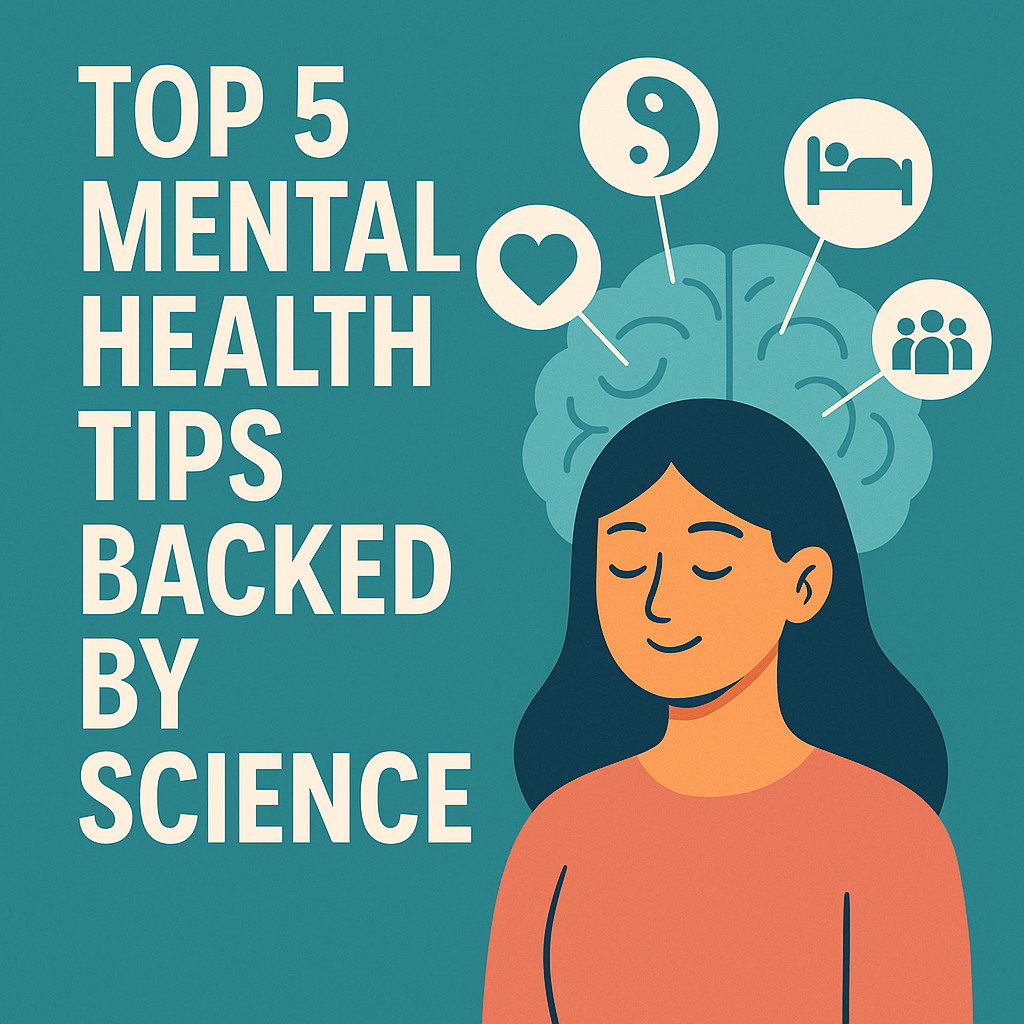
Top 5 Mental Health Tips Backed by Science
Mental health is as important as physical health, yet it’s often overlooked in favor of other priorities. But here’s the thing—your mental well-being is the foundation of your overall health. So, what can we do to boost our mental health and create a life full of joy, productivity, and peace? Let’s dive into five proven mental health tips that will change the way you approach self-care, fitness, and wellness.
1. Fitness Routines: A Powerful Tool for Mental Clarity
If you’ve ever heard the saying “A healthy body equals a healthy mind,” then you’re not alone. Exercise is one of the most effective ways to improve mental health, and science backs it up. Studies show that regular fitness routines help reduce stress, anxiety, and depression.
It doesn’t take a high-intensity workout to reap the benefits. Even moderate exercise, like walking or a light jog, can release endorphins—those feel-good hormones that promote happiness. Try starting with a personalized fitness plan that works with your schedule, whether it’s yoga, swimming, or a 30-minute cardio session.
Beginner's Guide to Yoga: The Mind-Body Connection
Yoga is more than just stretching—it's a journey of connection between body and mind. If you’re new to yoga, start slow with beginner poses and simple meditation practices. The benefits are remarkable: better sleep, less stress, and improved focus. Yoga provides a sense of calm that can be incredibly grounding, especially when paired with mindful breathing techniques.
2. Healthy Eating Plans: The Food-Mood Connection
What you eat has a direct impact on how you feel. Consuming nutrient-dense foods boosts your mood and energy levels, while poor dietary choices can contribute to mood swings and mental fatigue. Science suggests that a balanced, healthy eating plan can reduce the risk of mental health disorders.
Focus on eating whole foods like fruits, vegetables, lean proteins, and whole grains. Try incorporating the top diet trends for weight loss, which emphasize plant-based eating or intermittent fasting, but always tailor these to your individual needs.
Top Diet Trends for Weight Loss and Mental Clarity
Have you noticed how food can make or break your day? Diet trends like the Mediterranean diet and plant-based eating have been shown to improve mood and brain function. These diets are rich in antioxidants, healthy fats, and anti-inflammatory foods, which play a crucial role in reducing anxiety and improving mental clarity.
3. Simple Meditation Practices: Quieting Your Mind
Sometimes, the key to mental health is simply learning how to quiet your mind. Enter meditation. Research proves that mindfulness practices help reduce stress, improve focus, and enhance emotional well-being. Whether it’s a five-minute meditation session or a longer practice, the benefits are clear.
Start with simple meditation practices like focusing on your breath or practicing body scans. The goal isn’t perfection—it’s about creating moments of peace amid the chaos of everyday life.
Best Mindfulness Practices for Reducing Stress
Mindfulness can be the difference between feeling overwhelmed and feeling in control. Try incorporating daily mindfulness exercises into your routine, like deep breathing, journaling, or guided meditation. You’ll soon notice the reduction in stress and the improvement in your mental clarity.
4. The Role of Sleep in Mental Health
When was the last time you had a solid night’s sleep? Sleep plays a crucial role in regulating emotions and cognitive functions. Without enough rest, your mood, energy, and ability to think clearly can take a serious hit. The connection between sleep and mental health is undeniable—getting enough sleep is essential for maintaining mental well-being.
Make sleep a priority by establishing a regular sleep schedule, creating a calming bedtime routine, and limiting screen time before bed. These habits can improve your sleep quality and, in turn, your overall mental health.
The Connection Between Sleep and Productivity
Did you know that sleep impacts your ability to be productive during the day? When you get enough rest, your brain is able to process information more efficiently, and you’re less likely to feel mentally drained. Prioritize sleep, and you’ll notice improvements in your mood, cognitive function, and even your work performance.
5. Affordable Fitness Equipment: Staying Active on a Budget
When it comes to fitness, it’s easy to assume that you need expensive equipment or a gym membership to stay in shape. But that’s far from true. Affordable fitness routines are completely doable, even on a tight budget.
Invest in simple equipment like resistance bands, dumbbells, or a yoga mat, and you can create a variety of workouts from the comfort of your home. There are plenty of affordable fitness equipment options that can help you stay active and support your mental health.
Affordable Fitness Routines for Busy Professionals
If you’re a busy professional, the last thing you want is to spend hours at the gym. Fortunately, there are plenty of affordable fitness routines that you can do in as little as 20 minutes a day. Consider bodyweight exercises, resistance training, or even quick HIIT workouts to keep your body moving and your mind sharp.
Conclusion: Putting It All Together for Optimal Mental Health
Incorporating these five mental health tips into your daily routine can have a profound impact on your overall well-being. By focusing on fitness routines, healthy eating plans, and self-care strategies like meditation and sleep hygiene, you can improve your mental health and lead a happier, more balanced life. Remember, small steps add up—so start today, and take charge of your mental health!
Frequently Asked Questions
- What’s the best type of exercise for improving mental health? Any form of exercise that you enjoy can boost mental health, but activities like walking, yoga, and swimming are particularly beneficial for stress reduction and mood improvement.
- How can I improve my eating habits for better mental well-being? Focus on a balanced diet rich in fruits, vegetables, whole grains, and lean proteins. Avoid processed foods and aim for nutrient-dense meals that nourish both body and mind.
- How long should I meditate each day to see benefits? Start with just five minutes of meditation each day. Even a short amount of time can help reduce stress and improve mental clarity over time.
- What are some simple sleep tips for better mental health? Stick to a regular sleep schedule, create a relaxing bedtime routine, and avoid screens before bed. These habits can help improve sleep quality and mental well-being.
- Can I maintain my fitness routine without a gym membership? Absolutely! You can create a full-body workout using inexpensive equipment or just bodyweight exercises. The key is consistency and finding exercises that work for your body.